The Best Air Quality Monitors in 2026

Published on:
May 28, 2026
Updated on:
August 7, 2026
Published on:
Updated on:
Air-quality monitoring has changed dramatically over the past few years. A category that was once dominated by basic PM2.5 displays and novelty gadgets has evolved into a surprisingly sophisticated market that now includes smart-home integrations, portable exposure tracking, wildfire monitoring, HVAC optimization, and professional-grade indoor analytics.
Buyers have also become far more informed. People no longer just want a number on a screen—they want context. How accurate is the CO₂ sensor? How quickly does the monitor respond to smoke from cooking? Does the app provide meaningful historical trends? Can the device actually help improve ventilation and indoor comfort, or does it simply generate data?
One mistake still shows up constantly in 2026: assuming that more sensors automatically mean a better monitor. In reality, sensor quality, calibration stability, software usability, and real-world responsiveness matter far more than long specification lists.
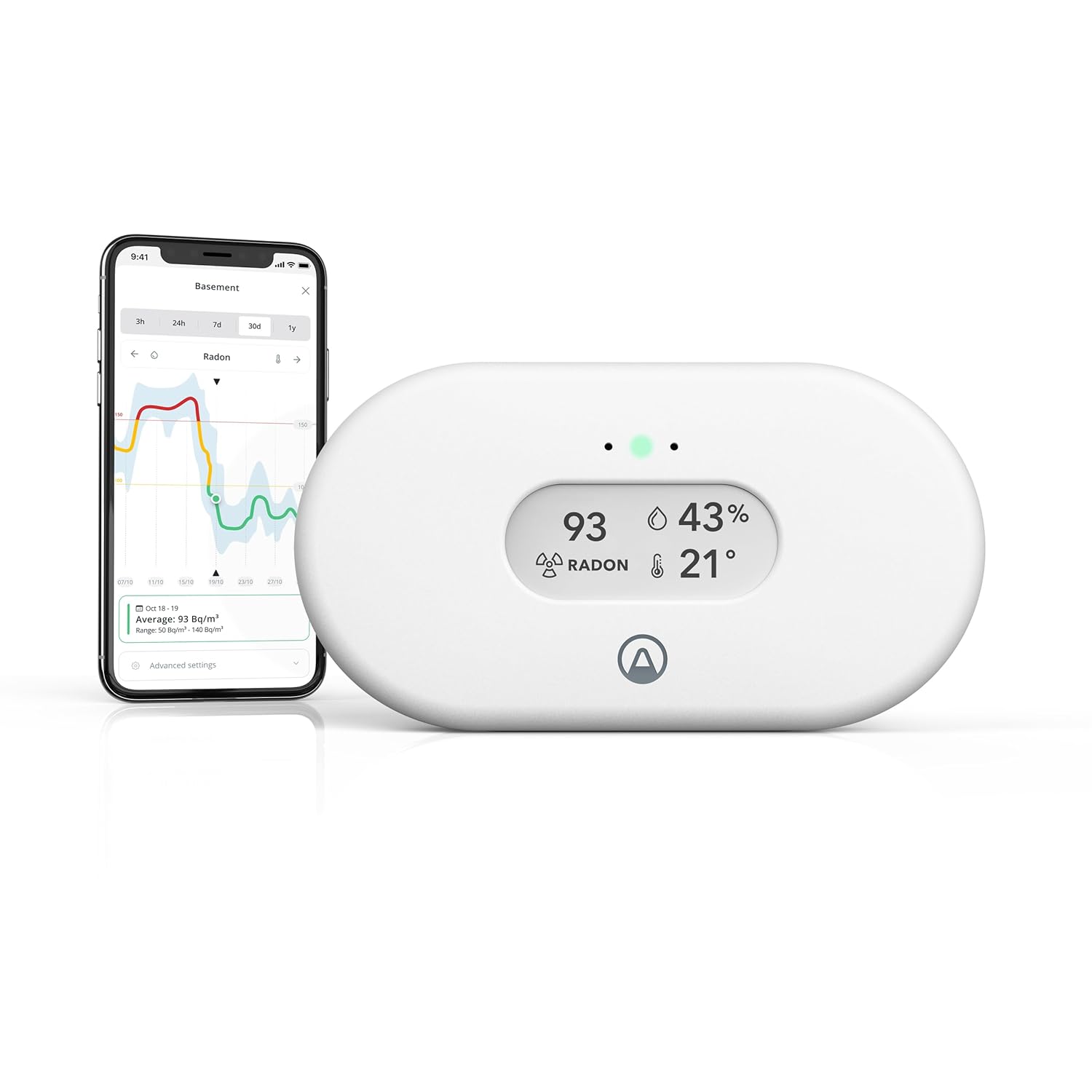
Airthings View Plus remains one of the strongest all-around indoor air quality monitors available today. It combines PM2.5, CO₂, VOCs, humidity, pressure, temperature, and radon monitoring in a mature ecosystem designed for long-term indoor awareness rather than occasional spot checks.
What separates it from many cheaper competitors is long-term consistency rather than flashy specs. Short-term PM readings are relatively easy for consumer sensors to produce, but maintaining stable long-term environmental tracking is much harder. Airthings has built a reputation around trend reliability and smart-home integration rather than flashy marketing claims.
Compared to many consumer monitors, View Plus feels less like a gadget and more like infrastructure for understanding a home's indoor environment. It works particularly well for people dealing with poor ventilation, allergies, basements, wildfire smoke, or long-term radon concerns.
Best for homeowners, long-term indoor monitoring, smart homes, HVAC optimization, and users who want one comprehensive monitoring system.
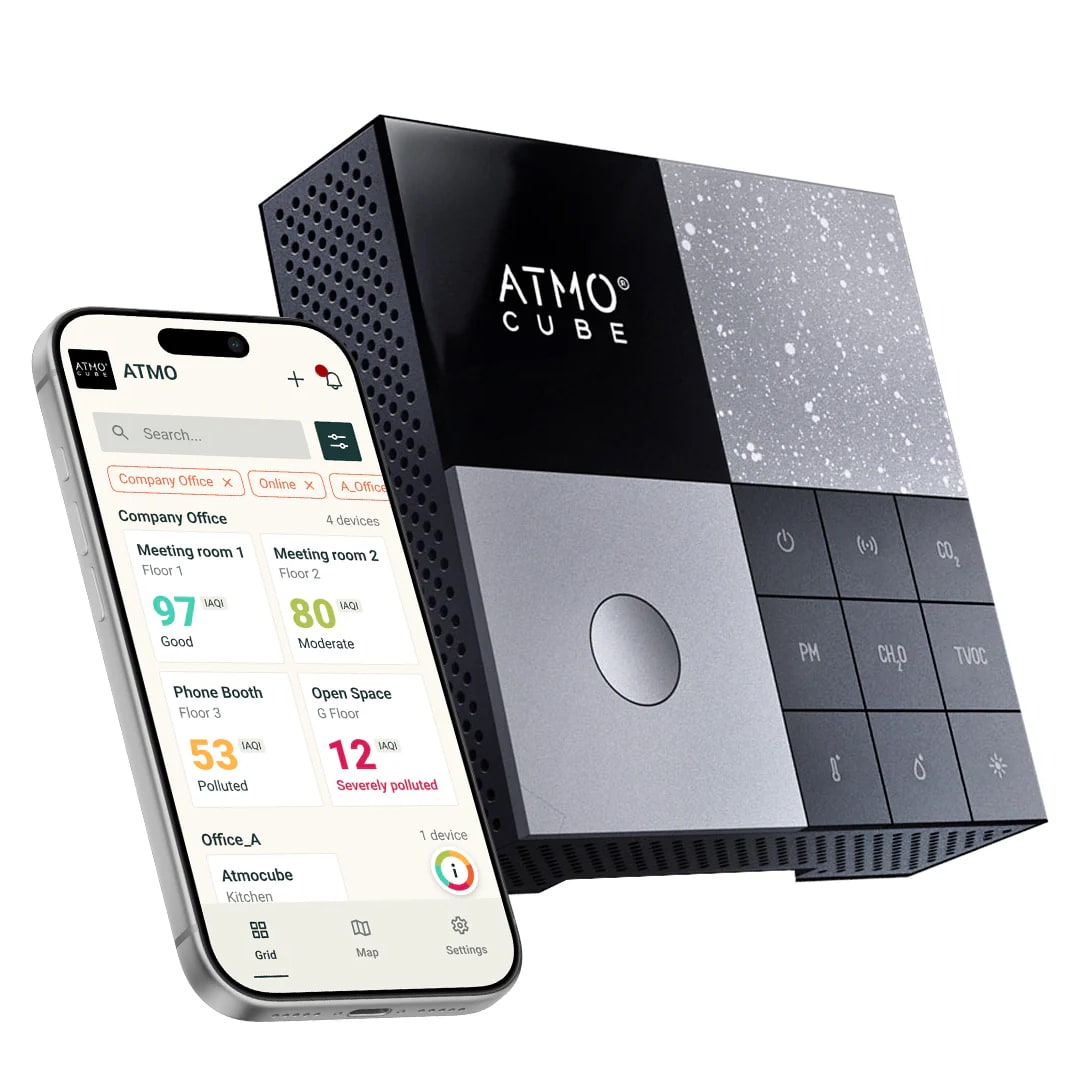
Indoor air-quality monitoring has evolved far beyond simple consumer gadgets, and Atmocube represents that shift particularly well. Unlike portable personal trackers designed for individual exposure monitoring, Atmocube focuses on continuous indoor air-quality analysis for homes, offices, schools, and commercial environments.
The device monitors PM2.5, CO₂, VOCs, temperature, humidity, and additional environmental metrics in real time while providing long-term analytics designed to help users improve ventilation, comfort, and indoor environmental quality. This makes it especially useful for workplaces, healthy-building initiatives, HVAC optimization, and shared indoor spaces where long-term trends matter more than short-term exposure snapshots.
One of Atmocube’s strongest advantages is its ability to turn raw environmental data into actionable indoor insights. Rather than simply displaying numbers, the platform helps users identify ventilation issues, pollutant spikes, and indoor comfort patterns over time.
Best for offices, schools, healthy buildings, HVAC optimization, indoor environmental monitoring, and users who want long-term indoor air-quality analytics.
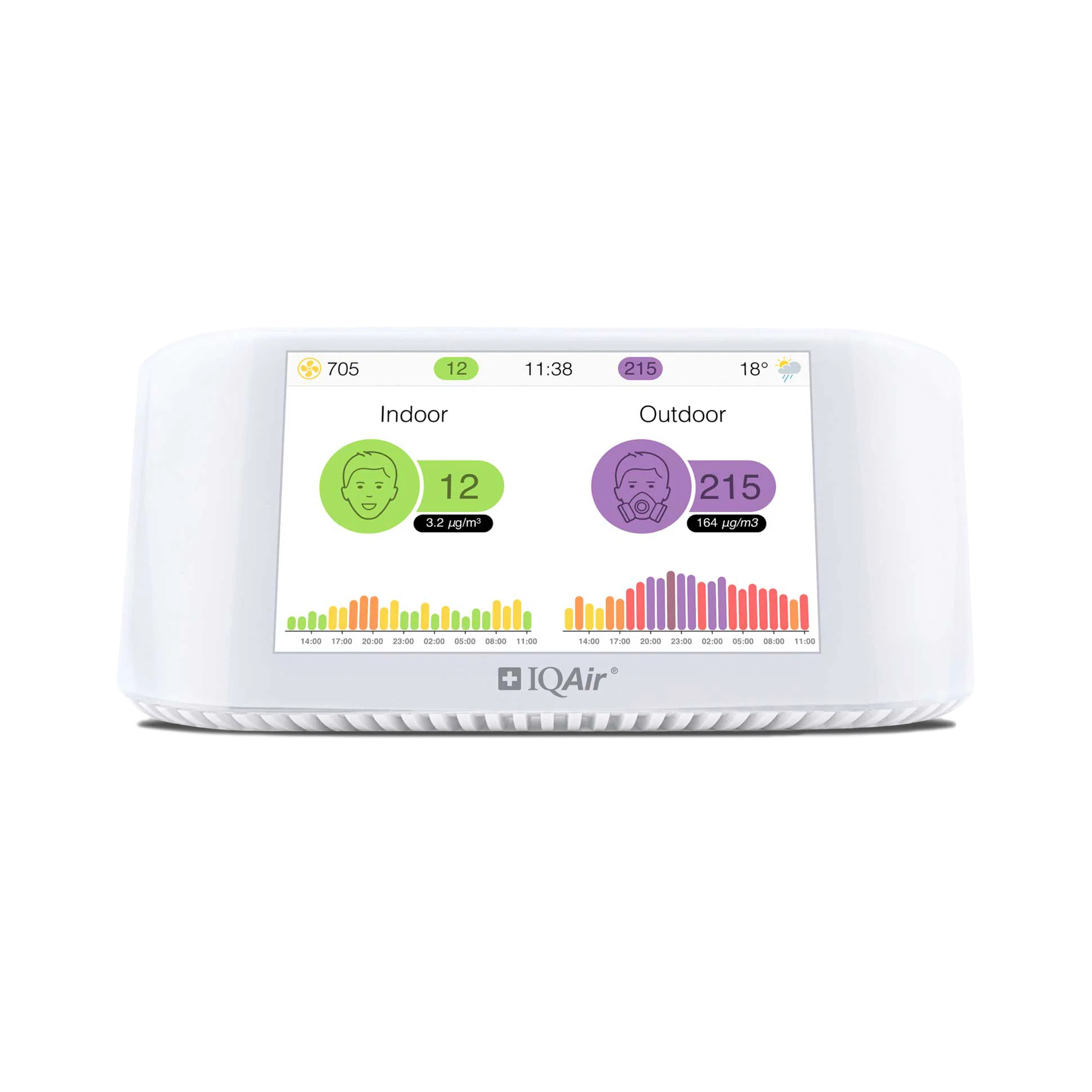
IQAir AirVisual Pro remains one of the best visualization-focused air-quality monitors in 2026. The company’s broader AQI ecosystem gives the device a major advantage for users who care about indoor-outdoor comparisons and trend analysis.
Its display remains one of the strongest in the category. Unlike many monitors that overwhelm users with raw numbers, AirVisual presents information in a way that actually helps people understand air quality patterns over time.
It is particularly well suited for users who already rely on IQAir's outdoor AQI maps and want a monitor that integrates naturally into that ecosystem.
Best for AQI enthusiasts, indoor-outdoor comparisons, visualization-focused users, and data-heavy monitoring.
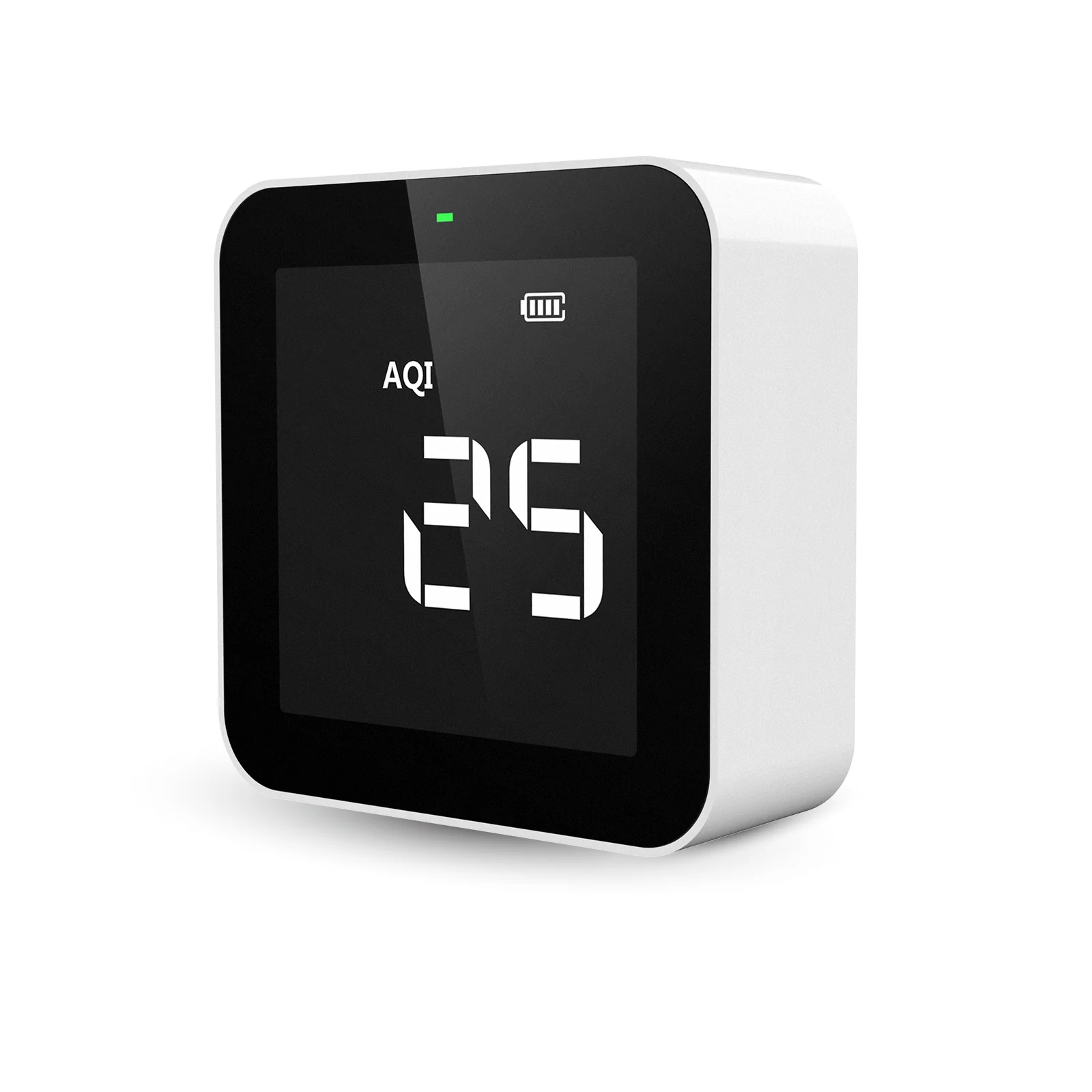
The Temtop M10 remains one of the most practical entry-level air-quality monitors on the market. It is frequently recommended because it delivers useful PM2.5 monitoring without trying to imitate expensive professional systems.
For wildfire smoke, cooking pollution, ventilation checks, and general indoor awareness, the device performs surprisingly well for its price category. It also avoids some of the gimmicky software layers that make cheaper monitors difficult to trust.
The compromise is mostly visible in software polish and long-term calibration stability.
Best for budget indoor monitoring, smoke tracking, and first-time buyers.
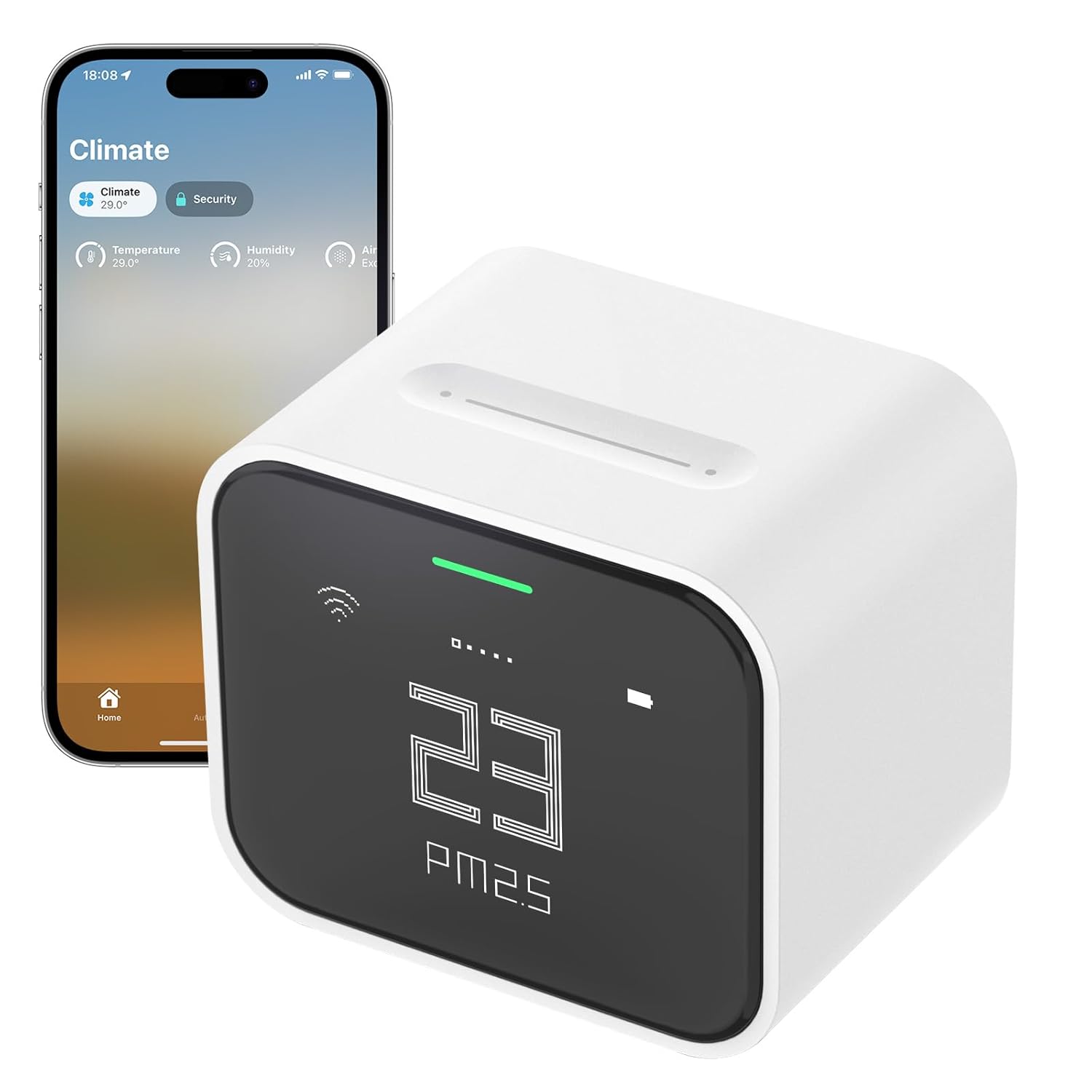
Qingping Air Monitor Lite has become particularly popular among Apple HomeKit users because it balances clean design with reliable indoor monitoring. It prioritizes usability instead of trying to impress users with endless metrics.
The monitor works particularly well as a desktop or bedsidedevice thanks to its compact footprint and clear display. CO₂ monitoring is oneof its strongest features, making it well suited for bedrooms and offices whereventilation matters.
It is not designed for deep professional analytics, but as an everyday smart-home monitor, it remains one of the most polished compact devices available.
Best for Apple HomeKit users, bedrooms, offices, and minimalist smart-home setups.
Many low-cost monitors advertise large sensor lists but rely on low-quality components with poor calibration stability. A well-calibrated monitor with fewer sensors is often more useful than a device overloaded with unreliable metrics.
Some monitors heavily smooth readings to reduce visible fluctuations, which can make them feel slow during smoke events or cooking pollution spikes. Portable monitors often respond faster because they aredesigned around realtime exposure awareness.
Historical analytics, export tools, notifications, and indoor-outdoor comparisons often determine whether users actually learn from their data or stop checking the app after two weeks.
In offices and bedrooms, CO₂ is often the fastest way to understand ventilation quality and stale air buildup.
Portable and stationary monitors now solve different problems. Stationary monitors are better for long-term indoor trends, HVAC optimization, and whole-home awareness. Portable monitors are better for commuting, travel, outdoor activity, and personal exposure tracking. The growth of portable monitoring reflects a broader shift in the market: users increasingly care about personal exposure, not just room averages.
For whole-home indoor monitoring, Airthings View Plus remains one of the strongest all-around options. For advanced indoor air-quality monitoring, Atmocube stands out with its enterprise-grade analytics, continuous environmental tracking, and actionable indoor air insights.
Premium monitors usually offer better sensor stability, stronger software ecosystems, better historical analytics, and more reliable long-term performance. The difference becomes particularly noticeable with CO₂ and PM calibration consistency.
For most people, PM2.5 and CO₂ are the most important metrics. PM2.5 reflects particulate pollution and smoke exposure, while CO₂ is one of the best indicators of ventilation quality indoors.
Devices with fast PM2.5 responsiveness tend to work bestduring wildfire events. Portable monitors can also reveal major exposure differences between indoor and outdoor environments.
The Temtop M10 remains one of the best entry-level choices because it offers useful PM monitoring without overwhelming users with complexity.
The air-quality monitor market in 2026 has become far more specialized. Different monitors now solve different problems. Airthings View Plus remains one of the strongest all-around systems for long-term indoor monitoring and smart-home integration. IQAir AirVisual Pro continues to stand out for visualization and ecosystem quality. Advanced indoor monitoring platforms like Atmocube focus on continuous environmental analytics, healthy-building insights, and HVAC optimization rather than portable exposure tracking. And for users who simply want practical PM monitoring without premium pricing, the Temtop M10 still delivers strong value.
